Prostate Health: Functions, Common Diseases, and Treatments for Men
Content updated in 2025–2026.

Important Advice from the Author
If possible, explore the site’s materials on a desktop computer, laptop, or all-in-one PC. This will make it much easier to view the site structure, navigate between sections, and fully absorb the content. It is also possible to use a smartphone, but due to the smaller screen size, some elements and navigation may be less clear. Information on prostate issues is presented here in a large number of articles, and each article contains only practical benefit — without unnecessary pages or intrusive advertising.
Prostate: Key Functions and Importance for Men’s Health
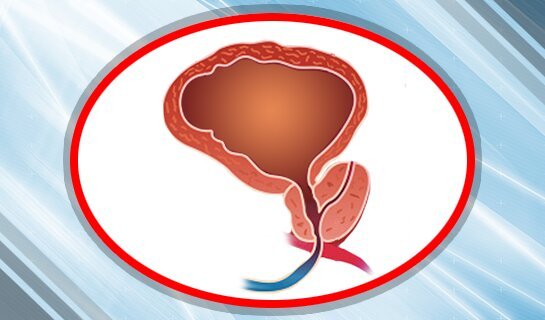
The prostate is a vital male reproductive gland located just below the urinary bladder. It serves as the starting point of the urethra, with its ducts opening directly into this channel. The primary function of the prostate is to produce a secretion that thins semen, enhancing sperm motility and fertility. During an erection, the prostate also acts as a valve, preventing urine from mixing with semen, while its smooth muscles assist in efficient ejaculation. Anatomically, the prostate is divided into lobes, and its posterior surface can be examined through a digital rectal exam (DRE), a routine procedure for men’s health checkups.
Medical research shows that the prostate’s functions are regulated by the endocrine system, specifically hormones from the pituitary gland, testes, and adrenal cortex. This hormonal interplay is crucial, as it helps maintain overall male vitality and supports the normal functioning of reproductive and urinary systems. Because of its importance, the prostate is sometimes compared to the heart in terms of overall health impact.
In healthy adult men, the prostate is roughly the size of a large walnut, with a volume between 18 and 26 cubic centimeters and a weight of similar grams. Precise mass can be calculated using a body density coefficient of 1.04–1.06, though this varies depending on individual physiology. Understanding these norms is essential for identifying early signs of enlargement or other prostate health issues.
Common Prostate Diseases, Symptoms, and Treatment Options
Like any organ, the prostate can be affected by several conditions. The most prevalent include prostatitis (acute and chronic forms), benign prostatic hyperplasia (BPH), and prostate cancer (prostatic carcinoma). Official statistics often underrepresent the real incidence, while conventional treatments sometimes offer limited results due to commercialization in healthcare. Many men seek alternative strategies for natural prostate support because of concerns over the effectiveness and side effects of standard therapies. Misleading advertising and exaggerated fear tactics, especially online, can further confuse patients and delay proper care.
Author’s Advice for the Interested Reader
If you, dear reader, are accessing this information through a search engine, I would like to emphasize that this article represents only a small portion of a website entirely dedicated to restoring prostate function, with a particular focus on the treatment of benign prostatic hyperplasia and prostatitis. On a computer, the full collection of articles can be accessed via the “List of Articles” section, and on a smartphone, it can be reached by tapping the button with three horizontal red bars at the top of the screen. The website’s name, “Without Benign Prostatic Hyperplasia,” clearly reflects its focus. Within the site’s sections, you can:
- Effectively apply methods for treating benign prostatic hyperplasia without the use of medications for your own health, with most of this information freely available at no cost; this forms the main section of the website.
- Access comprehensive guidance on dietary rules for this condition and learn which foods are harmful or prohibited for men with an enlarged prostate.
- Evaluate the effectiveness of conventional drug therapies and gain a clear understanding of traditional or folk treatment approaches for prostate-related conditions.
- Recognize the schemes employed by unscrupulous operators who exploit patients for profit, allowing you to avoid them, saving time, money, and, most importantly, protecting your health and vitality.
- Obtain additional practical and valuable information related to male reproductive health and related topics.
Gennadiy Plotyan, the author of this website, is committed to providing reliable information on symptoms, diagnostics, the realistic potential of drug therapies, and the treatment of benign prostatic hyperplasia.
Entry page: Main Page
A description of one of the numerous dietary supplements marketed for the “treatment” of benign prostatic hyperplasia: Русский, Українська, English, Türkçe, العربية, Deutsch, Français, Italiano, Español, Português, Język Polski.