Benign Prostatic Hyperplasia: How to Assess the Safety of Vegetables and Fruits
Content updated in 2025–2026.

Important Advice from the Author
If possible, explore the site’s materials on a desktop computer, laptop, or all-in-one PC. This will make it much easier to view the site structure, navigate between sections, and fully absorb the content. It is also possible to use a smartphone, but due to the smaller screen size, some elements and navigation may be less clear. Information on prostate issues is presented here in a large number of articles, and each article contains only practical benefit — without unnecessary pages or intrusive advertising.
How to Determine the Safety of Vegetables and Fruits in Benign Prostatic Hyperplasia
Question
How can one determine the safety of vegetables and fruits in benign prostatic hyperplasia (BPH) and prostate health in general? When buying them in a supermarket or at a market, it is almost impossible to detect the real level of nitrate contamination in vegetables and fruits. As a result, the treatment process for benign prostatic hyperplasia (BPH) can be disrupted—or, more precisely, the condition may progress at an accelerated rate. Which foods should be avoided in BPH? Which foods are beneficial for the prostate, and which carry hidden risks for the prostate gland?
Answer
Causes of BPH: Neglecting Proper Nutrition
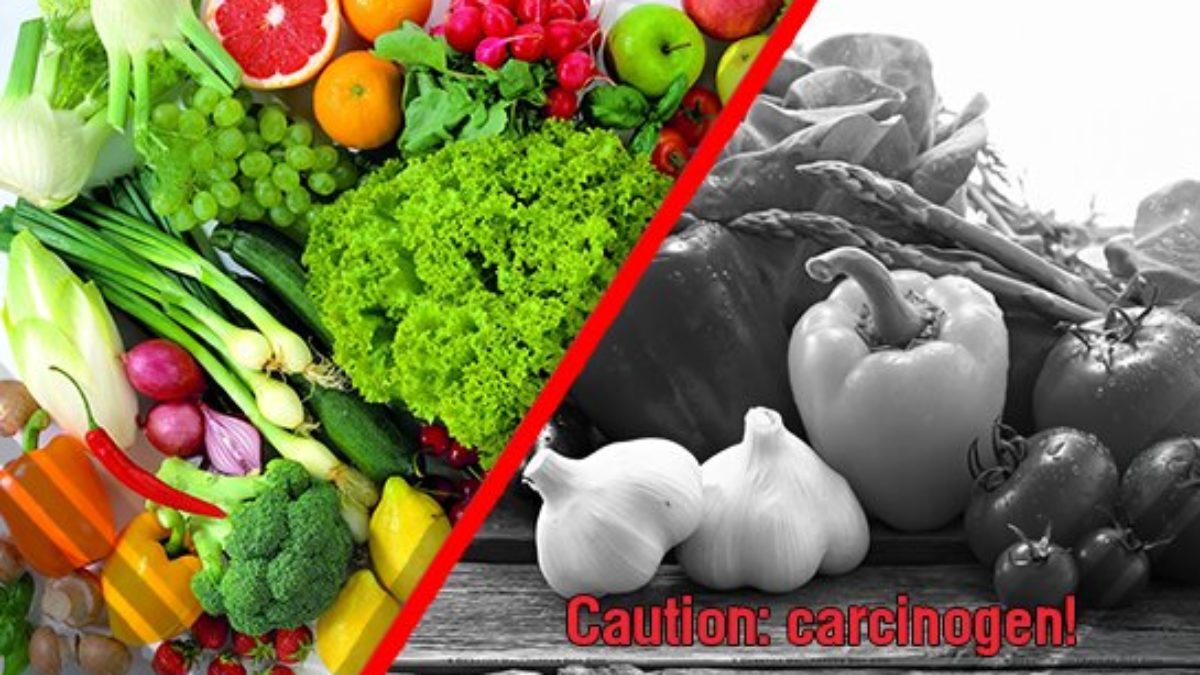
Excess nitrates entering the body through food act as a toxin and represent an important dietary risk factor for BPH. The effect of any poison is systemic, but one of its main side effects is oxygen deprivation in tissues and, consequently, swelling in the affected areas. These conditions are highly favorable for the development of benign prostatic hyperplasia and the progression of prostate enlargement.
A personal experiment that should not be repeated
I tested this on myself at a time when I already knew about the danger of this type of carcinogen and nitrates in food, even though I had no painful symptoms in my prostate and its size was normal. The experiment was simple: once a day, every morning, I added a large plate of salad made from greenhouse cucumbers, cabbage, and green onions to my breakfast—vegetables grown using intensive agricultural methods.
By the way, when I bought that white cabbage at the market, I noticed, almost involuntarily, that its color was not just light green—it had a distinctly toxic shade. In general, food becomes an unpleasant experience when you know it contains harmful substances and excessive nitrates.
After the third day of the experiment, I woke up in the morning and clearly noticed that my bladder was noticeably fuller than usual (in fact, compressed by the surrounding muscles), and urination was rather sluggish, a typical symptom associated with prostate problems. I did not attempt to determine which component of the salad was the most harmful for prostate health. The remaining cucumbers, onions, and cabbage went straight from the refrigerator into the trash, and I immediately began restorative therapeutic exercises for BPH. My body, which I emphasize was trained, needed approximately four days to recover.
I should note that years of health practice have taught me to understand and accurately assess my own condition. Throughout this time, especially on the first day of recovery, I felt a slight heaviness when moving, indicating that most muscle groups experienced mild swelling. The amount of nitrates I consumed over those three days, I am confident, exceeded reasonable limits several times. I believe that what I have described above will be useful when choosing a diet for BPH. You can imagine how benign prostatic hyperplasia progresses in a person who lacks this knowledge and does not even suspect the daily harm they cause themselves. On the contrary, they may believe that such a vegetable-based menu represents proper nutrition for prostatitis and BPH.
About Nitrate Testing Devices
Now, to answer the question directly: some patients, upon noticing the first signs of BPH, try to monitor nitrate content in vegetables and fruits using a special device called a nitrate meter. It can be useful only if harmful substances in food products significantly exceed safe limits and pose a direct threat to prostate health. However, this method has a serious limitation.
For example, you test a tomato. The device shows a safe level, and it seems that the vegetable is acceptable for consumption. But careful people often perform a second measurement on the same tomato, just one centimeter away and at the same depth. This time, the nitrate meter signals an excess. The conclusion is obvious: nitrates are distributed unevenly, and the device cannot provide an objective assessment. Does this mean that, to determine the average nitrate content, one must take 20–30 measurements on the same vegetable? Absurd.
The Main Rule of Nutrition in BPH Treatment
When it comes to treating BPH, the most sensible rule of nutrition for benign prostatic hyperplasia is simple: you cannot go wrong by avoiding such foods altogether during critical periods. Everything has its season, and the greatest benefit for the prostate comes from vegetables grown naturally in open soil. Do not attempt to identify harmless produce at market stalls during the off-season—it simply does not exist.
Never buy the earliest vegetables, berries, or fruits if you are concerned about BPH diet and prostate health. In pursuit of excessive profit, producers violate agricultural standards, effectively turning food into disguised poison. These products are grown in large quantities, and I am firmly convinced that they reach many markets without obstruction. The consequences of such practices undermine public health and shorten life expectancy far more than many other destructive factors.
Fruits, Berries, and Melons in BPH
Regarding fruits and most berries, I personally experienced excessive nitrate concentrations much less frequently. However, this should not diminish your vigilance in benign prostatic hyperplasia. Environmental conditions vary greatly. I would like to emphasize melons and watermelons: in BPH, these fruit and vegetable crops should be minimized or excluded from the diet, even if their carcinogen content is low. Their prolonged diuretic effect is unnecessary and undesirable in diseases of the prostate gland and may aggravate BPH symptoms.
Gennadiy Plotyan — author of the website devoted to the symptoms, diagnosis, and treatment of BPH.
Link to the page describing the non-medicinal treatment approach “Without BPH”: Español, العربية, Italiano, Türkçe, Français, Deutsch, Język Polski, English, Português, Українській, Русском.
This section is in other languages: Türkçe, Português, Język Polski, Français, Deutsch, Español, العربية, Italiano, Русский, Українській.