Benign Prostatic Hyperplasia: Dietary Restrictions on Cereal Products
Content updated in 2025–2026.

Important Advice from the Author
If possible, explore the site’s materials on a desktop computer, laptop, or all-in-one PC. This will make it much easier to view the site structure, navigate between sections, and fully absorb the content. It is also possible to use a smartphone, but due to the smaller screen size, some elements and navigation may be less clear. Information on prostate issues is presented here in a large number of articles, and each article contains only practical benefit — without unnecessary pages or intrusive advertising.
Properties of Beneficial and Harmful Cereal Products in BPH and Chronic Prostatitis
Question
I read your website and was surprised. You write that in cases of benign prostatic hyperplasia (BPH), during active treatment, wheat-based porridges should be avoided. However, many doctors advise the opposite, recommending: “Eat all kinds of porridge.” Could you explain why a BPH diet requires such exclusions? A restricted diet should only eliminate foods with a clear and well-founded reason. Individual sensitivity to gluten, food intolerances, and the effect of complex carbohydrates on inflammation in the prostate should also be taken into account.
Answer
Cereal Products That Are Harmful to the Prostate in BPH
I answer based on personal experience, which I consider the most reliable source. Some cereal grains contain high levels of gluten, which the body of a man with BPH may not safely process. Gluten, derived from the Latin word for “glue,” can disrupt blood circulation after consumption of prepared cereal products, contributing to painful prostate symptoms. In many cases, this effect is stronger and more persistent than the impact of excessive animal protein in the diet. Processed cereals with a high glycemic index or refined grains can worsen inflammation and urinary difficulties.
If your endocrine system functions with slight deviations, or your vascular elasticity is compromised, even a seemingly “harmless” bowl of porridge can trigger urinary complications lasting a day or more. Regular consumption of these cereals can make managing and overcoming BPH significantly more difficult.
Harmful cereals are not limited to wheat. This category may include oatmeal, corn porridge, mixed-grain porridges, and round-grain rice varieties like paella or arborio, even of the highest quality. Pearl barley porridge may also be unsuitable. A practical guideline: if a cereal product feels sticky, dense, or heavy, it should be avoided entirely in a BPH diet. Awareness of processed grains, high-gluten cereals, and their impact on prostate health is essential.
Cereal Products That Are Fully Compatible with Prostate Treatment
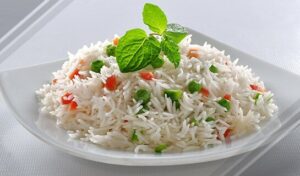
Based on repeated personal experiments, I recommend cereals that do not clump together after cooking, such as long-grain Basmati rice (also referred to as Thai rice), Jasmine rice (Asian rice), buckwheat groats, and bulgur (specially processed wheat grains). These types of cereals are rich in micronutrients and vitamins that support overall male reproductive health, and they contain only minimal amounts of gluten.
Prior to the publication of this article, similar information was likely unavailable. These are my personal observations, confirmed through repeated testing on my own body. However, it is possible that the urologist who consulted you regarding your BPH diagnosis was referring to vegetable-based porridges, which can generally be consumed without restrictions. For example, pumpkin porridge is safe in most cases. Maintaining a diet with anti-inflammatory foods and carefully selected healthy grains can significantly aid in managing chronic prostatitis.
Gennadiy Plotyan, author of a website dedicated to the symptoms, diagnostics, pharmaceutical possibilities, and real treatment of benign prostatic hyperplasia.
This topic is fully covered in the wellness methodology for treatment: Русский, Українська, English, Türkçe, العربية, Deutsch, Français, Italiano, Español, Português, Język Polski.
This publication is available at: Українській, العربية, Italiano, Français, Język Polski, Deutsch, Türkçe, Español, Português, Русском.