Prostate Massage: Benefits, Risks, and When It Can Be Harmful for Men’s Health
Content updated in 2025–2026.

Important Advice from the Author
If possible, explore the site’s materials on a desktop computer, laptop, or all-in-one PC. This will make it much easier to view the site structure, navigate between sections, and fully absorb the content. It is also possible to use a smartphone, but due to the smaller screen size, some elements and navigation may be less clear. Information on prostate issues is presented here in a large number of articles, and each article contains only practical benefit — without unnecessary pages or intrusive advertising.
Prostate Massage: When It Helps, When It’s Useless, and When It Can Be Harmful
Prostate massage is often discussed as a natural way to improve prostate health, relieve discomfort, or support treatment for certain prostate conditions. It may be performed manually (digitally) by a medical professional or attempted at home using various prostate massage devices, sometimes with vibration. Although this practice is commonly promoted online, especially in the United States, its real benefits are limited and highly situation-dependent. Understanding when prostate massage is appropriate — and when it poses real risks — is essential for protecting long-term male urinary and reproductive health. Additionally, men should consider the impact on pelvic blood flow, prostate tissue integrity, and potential urinary complications before attempting any procedure.
Prostate Massage for Prostatitis and Chronic Prostatitis
Prostatitis and chronic prostatitis are inflammatory prostate conditions that can cause pelvic pain, urinary discomfort, and sexual dysfunction. In selected cases, a digital prostate massage performed by a qualified healthcare provider may temporarily improve drainage of prostate secretions and slightly ease symptoms. For this reason, prostate massage is sometimes mentioned in conventional urology as a short-term supportive method rather than a primary treatment.
However, the benefits of prostate massage for chronic prostatitis are usually short-lived. Men may feel some relief during the treatment period, but symptoms often return once the sessions stop. At the same time, many commercial prostate massagers marketed for home use claim to improve blood circulation, pelvic microcirculation, or “restore prostate function.” In reality, such devices are inconsistent in effect, lack clinical support, and are rarely recommended by reputable urologists in the US. If prostate massage causes pain, burning, or worsening symptoms, it must be stopped immediately. Individual patient conditions, including inflammatory processes and comorbid urological issues, should always guide any treatment approach.
Prostate Massage for Benign Prostatic Hyperplasia (BPH): Why It Can Be Dangerous
Benign prostatic hyperplasia (BPH) is a common age-related enlargement of the prostate that affects urinary flow and bladder function. As the prostate grows, nodular tissue may compress the urethra, leading to frequent urination, weak stream, incomplete bladder emptying, and other lower urinary tract symptoms. In this condition, prostate massage — especially pressure applied to the posterior prostate — can aggravate swelling, increase inflammation, and intensify urinary problems.
Despite aggressive marketing, prostate massage for BPH is not a safe or effective solution. Mechanical stimulation or vibration may trigger prolonged pain, tissue irritation, increased prostate volume, and worsening urinary symptoms. Men with an enlarged prostate should avoid prostate massage and massage devices altogether, as these practices can exacerbate their condition rather than relieve it. Awareness of chronic inflammation, tissue sensitivity, and risk of infection is crucial in decision-making.
Prostate Cancer
For prostate cancer, all types of prostate massage are strictly forbidden. Any attempt at stimulation can increase local inflammation, compromise tissue integrity, and accelerate tumor progression.
Key Takeaways
Here’s what you need to remember:
- Prostate massage has limited benefits, numerous contraindications, and is not a cure-all. Consider urinary health, tissue condition, and overall prostate function.
- Improving prostate health works best as part of a comprehensive approach. Massage, if indicated, should only complement other treatments, lifestyle measures, and pelvic floor exercises.
The Bigger Picture
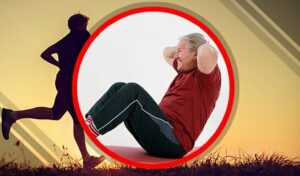
True health comes from a heart that works like a high-performance pump, supported by strong and healthy blood vessels. This is called proper circulation. The benefits of circulation are greatest when achieved through conscious physical activity — it reaches every part of the body effectively. Comparing this to microcirculation induced by prostate massage is like comparing the strength of an ancient tree trunk to a thin stem. Passive massage alone is not enough. Regular, intentional physical activity provides far greater and lasting benefits than any massage session. Proper hydration, balanced nutrition, stress management, and pelvic floor exercises further support prostate health. This is the principle behind the method promoted on this website, “Without Benign Prostatic Hyperplasia.”
This resource provides comprehensive information on symptoms, diagnostic challenges, consequences of inaction, and prostate treatment through a healthy lifestyle. Respectfully, the author, Gennadiy Plotyan.
How to use the site is here: Русский, Українська, English, Türkçe, العربية, Deutsch, Français, Italiano, Español, Português, Język Polski.
About grains and BPH, here: Українська, العربية, Italiano, Français, English, Język Polski, Deutsch, Türkçe, Español, Português, Русский.