Diagnosis of benign prostatic hyperplasia is an important necessity
Content updated in 2025–2026.

Important Advice from the Author
If possible, explore the site’s materials on a desktop computer, laptop, or all-in-one PC. This will make it much easier to view the site structure, navigate between sections, and fully absorb the content. It is also possible to use a smartphone, but due to the smaller screen size, some elements and navigation may be less clear. Information on prostate issues is presented here in a large number of articles, and each article contains only practical benefit — without unnecessary pages or intrusive advertising.
Diagnosis of BPH
Accurate and timely examination is the cornerstone of effective treatment
There is an event that has probably remained in the author’s memory forever and that makes it necessary to offer readers an article devoted to this topic. It happened long ago, at a time when I knew very little about my BPH diagnosis, apart from the nature of the pain and various forms of discomfort, and when, to some extent, I still trusted doctors. I was advised to visit a rather expensive clinic which, according to those giving the recommendation, enjoyed a solid reputation. Over time, the growing number of tests prescribed for yet another round of benign prostatic hyperplasia diagnostics began to resemble preparation for a space flight. After three visits and brief conversations with a taciturn yet highly energetic-in-prescriptions physician, I had to pay about four hundred dollars. At the end of this entire episode, the healer forced a smile, prescribed pills that I had already taken before without any benefit and, as a result, I experienced only negative effects from their use. Ultimately, I received no help whatsoever, while the money was extracted to the maximum — seemingly honestly, leaving no formal grounds for complaint.
Much later, from the level of knowledge I eventually attained, I realized that this Aesculapian figure was not distinguished by particular integrity. He simply conducted prostate diagnostics — both necessary and unnecessary… Of course, a high-quality and well-reasoned examination of the prostate gland, including ultrasound imaging, palpation, PSA evaluation, and assessment of prostate tissue density, is the key that unlocks a closed door, behind which lies the path to real recovery from prostate diseases in men (provided the patient sincerely desires such recovery). Proper evaluation of prostate size, urinary bladder control, and the patient’s urological history are essential components of a comprehensive approach to male urological health.
What you need and should know personally
Below is what you need to know about your condition during the typical course of the disease.
- Ultrasound of the prostate and urinary bladder, TRUS of the prostate. This examination is described in detail in a separate article on the site. In benign prostatic hyperplasia, all indicators are important, including residual urine volume, tissue density, and prostate dimensions. However, it must be clearly understood that a significant excess of residual urine volume above the norm is the primary prerequisite for surgical intervention. The upper normal limit of residual urine is 50 ml. Advice: in most cases, this value steadily decreases when well-reasoned health-improving measures, prostate-friendly diet, moderate physical activity, and phytotherapy are consistently applied. If the volume of residual urine is excessive, based on your well-being and mental attitude, objectively assess your capabilities (inclination toward dietary discipline, therapeutic exercise, and lifestyle adjustments), and only after thoughtful consideration make a decision regarding possible surgical intervention.
- A physical diagnostic method in the form of prostate palpation. This method allows examination only of the portion of the prostate gland adjacent to the rectum; therefore, it cannot be relied upon as a standalone diagnostic tool. A reliable result can be obtained only when the procedure is performed by a highly qualified urologist (andrologist). Palpation also helps detect inflammatory processes, benign prostate growths, and tissue abnormalities.
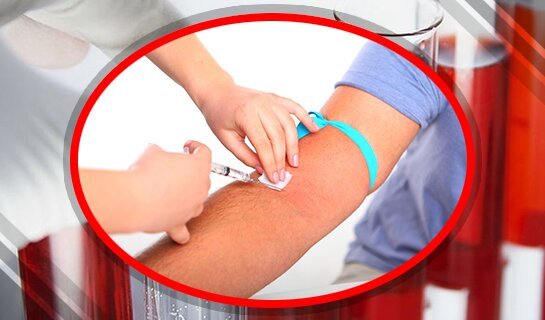
- Why is a PSA test performed? The PSA test is a blood test measuring prostate-specific antigen. Reference limits are as follows: up to 49 years — 2.5 nanograms per milliliter, up to 59 years — 3.5 ng/ml, up to 69 years — 4.5 ng/ml, and 70 years and older — up to 6.5 ng/ml. A significant elevation above the norm (10 ng/ml or higher) provides grounds for suspicion of prostate cancer, adenocarcinoma, and for the subsequent performance of a prostate biopsy. PSA levels are unstable; practical experience confirms that mild elevations often decrease when a healthy lifestyle is adopted, including anti-inflammatory plant-based supplements, regular exercise, and stress management.
- How is a prostate biopsy performed? A prostate biopsy is used to detect carcinoma of the prostate gland by obtaining a tissue sample with a special needle. It is a rather painful procedure and may provoke partial stimulation of prostate tumor growth. As with any invasive procedure, there are contraindications. In the author’s practice, users of the BPH treatment methodology were frequently encountered for whom a biopsy was prescribed by a physician without sufficient justification. Advice: a prostate biopsy is an examination that should not be rushed when PSA values are borderline. If you are inclined toward physical activity, restrictive nutrition, phytotherapy, and therapeutic exercises, postpone the diagnostics for a couple of weeks and make a decision regarding such an examination only after repeating the PSA test.
This is the main list of diagnostic measures in the absence of complications, inflammatory processes, concomitant diseases, or urinary system pathologies. All of them are practically available almost everywhere, including diagnostic centers, specialized clinics, and medical laboratories.
Author of the site, Gennadiy Plotyan.
One of the nutrition-related topics is available here: Türkçe, Português, Język Polski, Français, Deutsch, Español, العربية, Italiano, English, Українська, Русский.
You can read about the harm of excessive physical exertion in BPH here: Türkçe, Deutsch, English, Español, Język Polski, العربية, Français, Italiano, Português, Українська, Русский.
A topic on the psychology of treatment is available here: English, العربية, Deutsch, Français, Italiano, Türkçe, Español, Português, Język Polski, Українській, Русском.
An article on a similar topic is available to read in other languages: Deutsch, Русский, Français, Italiano, Español, Português, Język Polski, Türkçe, العربية, Українська.